Introduction to Vacuum Technology
In 2026, vacuum technology has become an integral part of household cleaning routines, especially in communities like Thousand Oaks, CA, where maintaining a clean and healthy environment is a priority. However, the technical jargon often associated with vacuum services can be overwhelming. This guide breaks down these concepts into simple terms, empowering homeowners to make informed decisions about their vacuum care and maintenance needs.
How Do Vacuums Work?
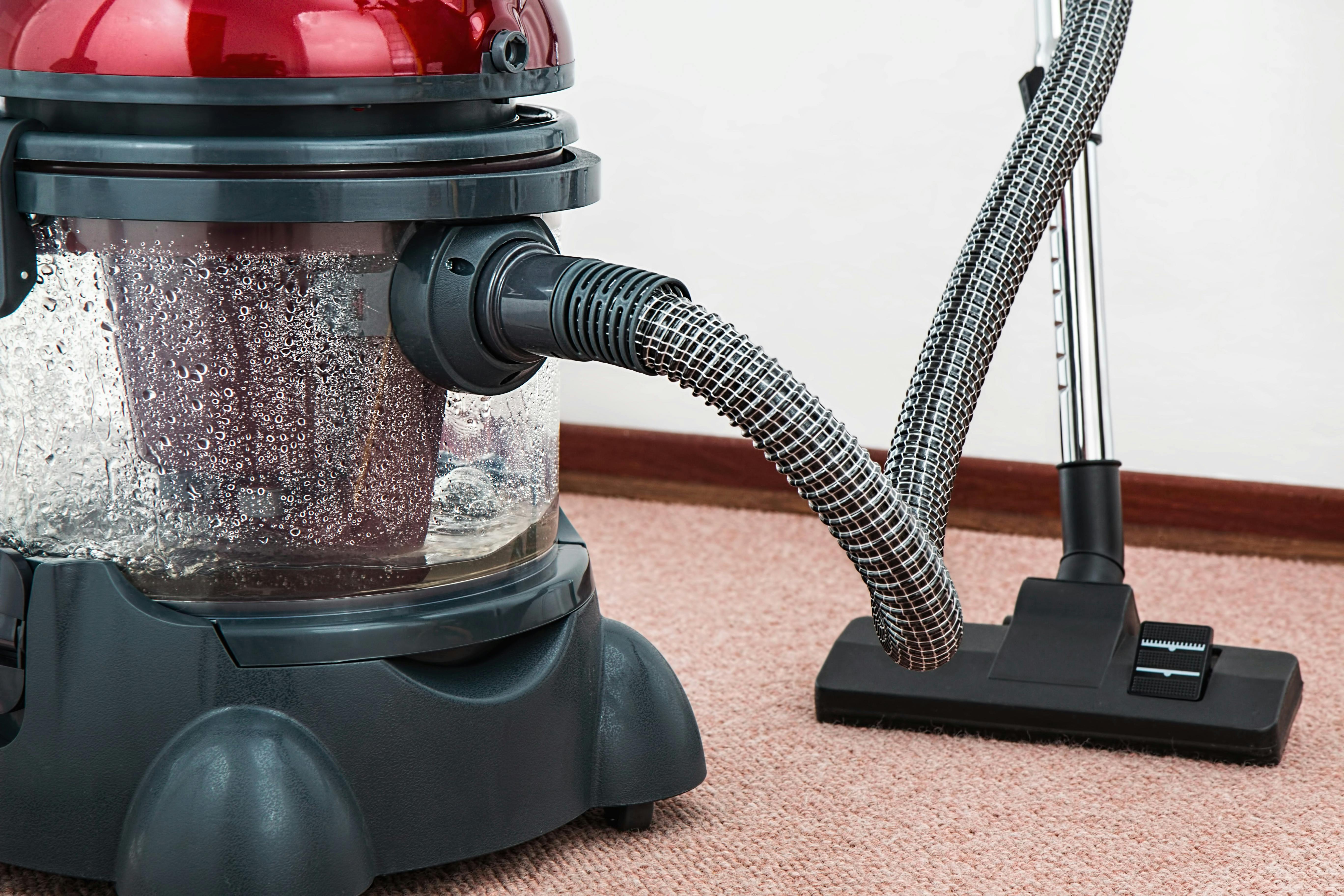
At its core, a vacuum cleaner is a device that uses suction to remove dirt and debris from floors, furniture, and other surfaces. But how exactly does it work? Let's break it down:
1. The Suction Principle
The primary mechanism behind a vacuum is the creation of a pressure difference. When the vacuum is turned on, the motor creates a low-pressure area inside the machine. This causes air from the outside (where the pressure is higher) to rush in through the nozzle, bringing dirt and debris along with it.
2. Filtration System
Once sucked in, the air passes through a filtration system. In 2026, most vacuums use HEPA (High-Efficiency Particulate Air) filters that trap fine particles, including dust mites, pollen, and pet dander, ensuring only clean air is expelled back into your home.
3. Dust Collection
The debris is deposited into a dust bag or a canister. Bagged vacuums typically capture more dust, making them ideal for allergy sufferers. In contrast, bagless models offer convenience and ease of maintenance.
Types of Vacuum Cleaners
Understanding different vacuum types can help you choose the right one for your home. Here are the main categories:
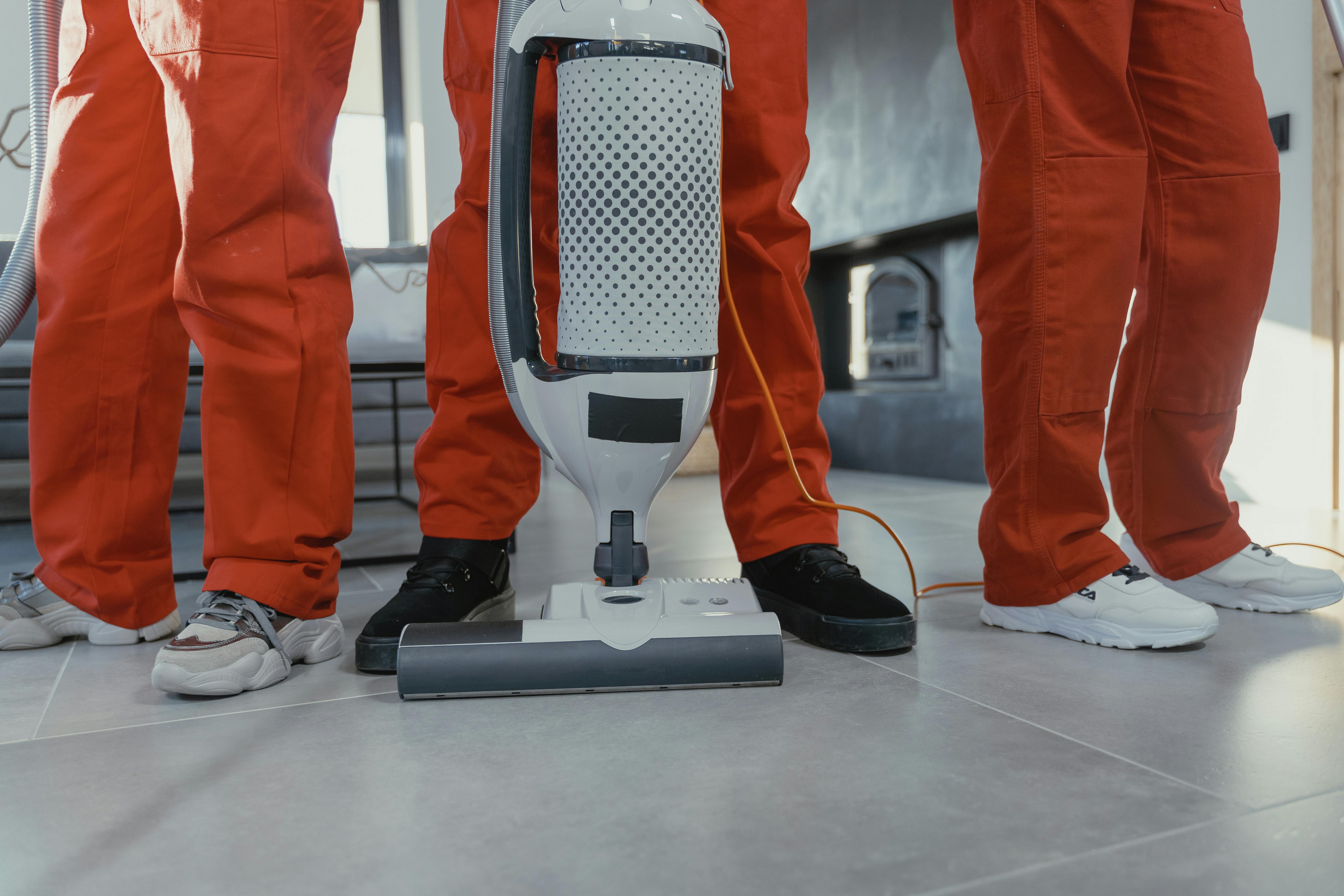
- Upright Vacuums: Great for large carpeted areas, these are powerful and straightforward.
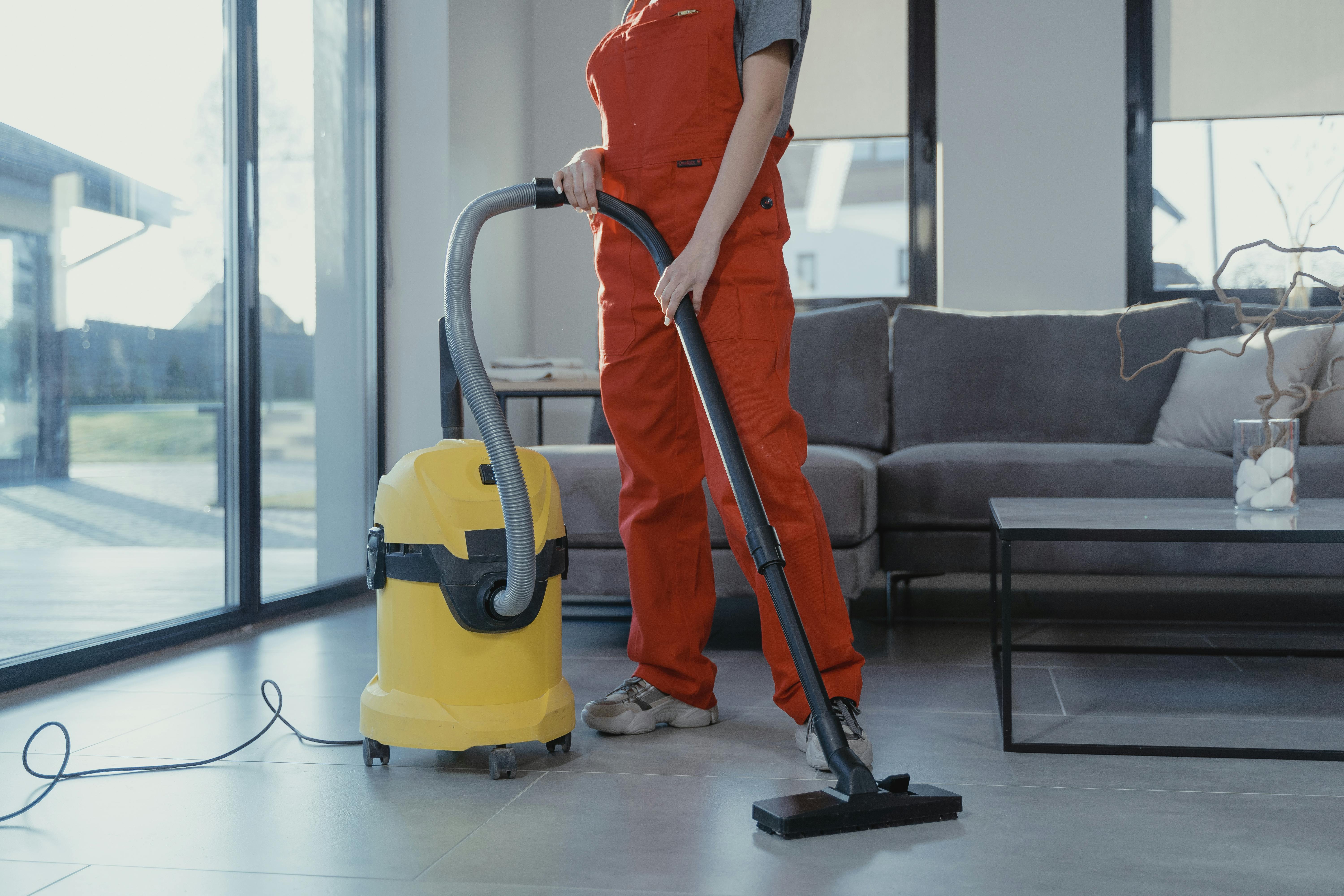
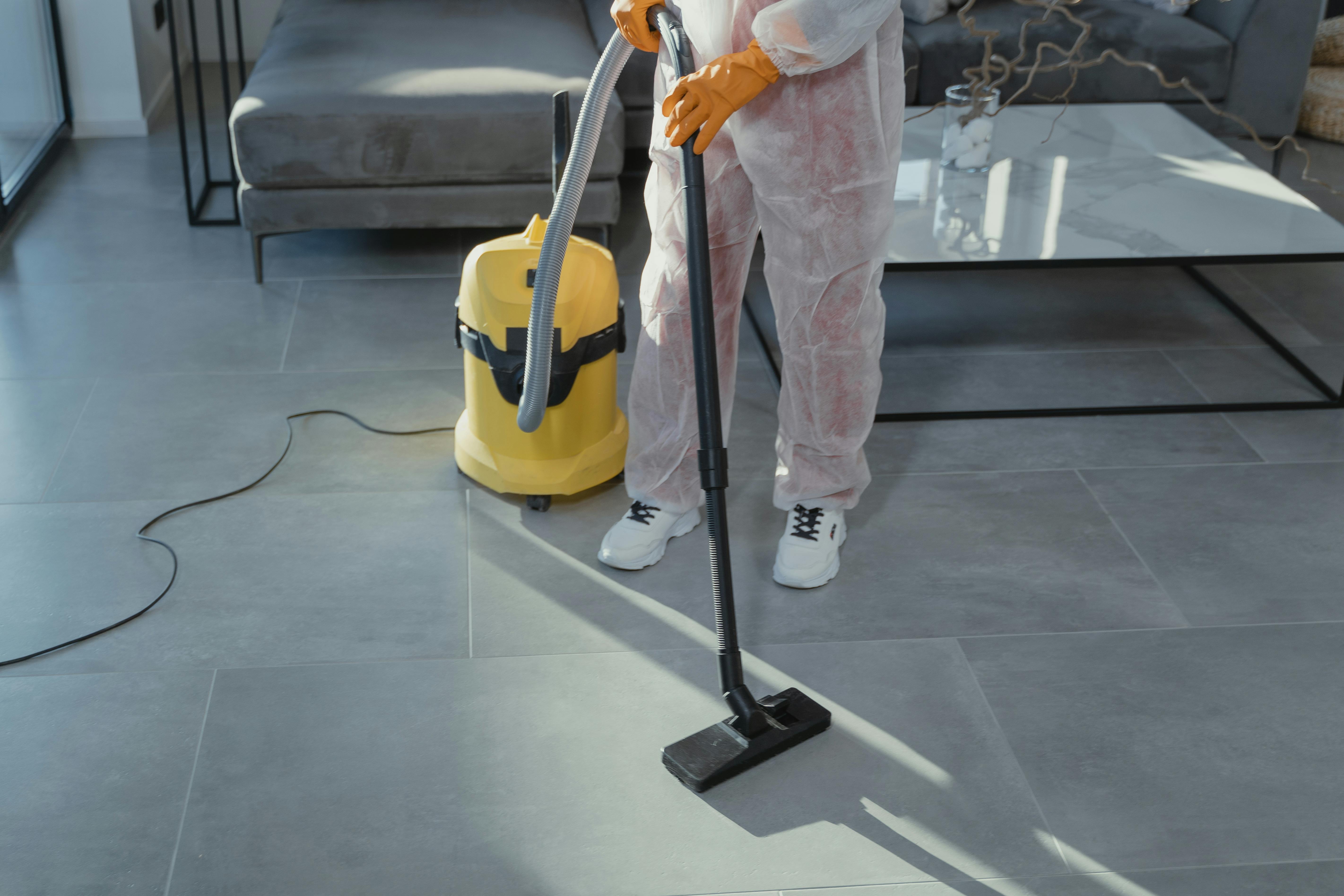
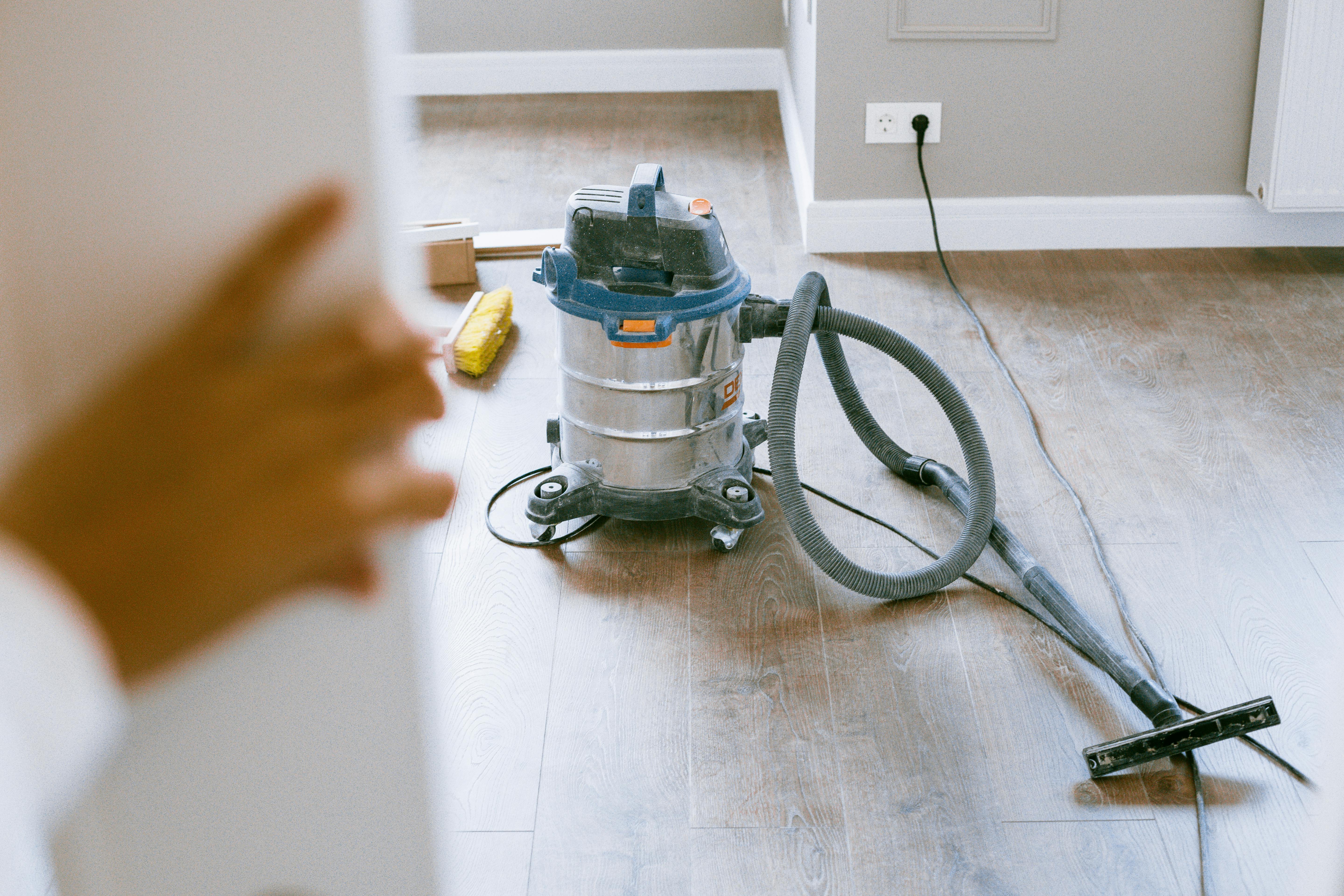
- Canister Vacuums: Ideal for hard floors and tight spaces, offering flexibility and strong suction.
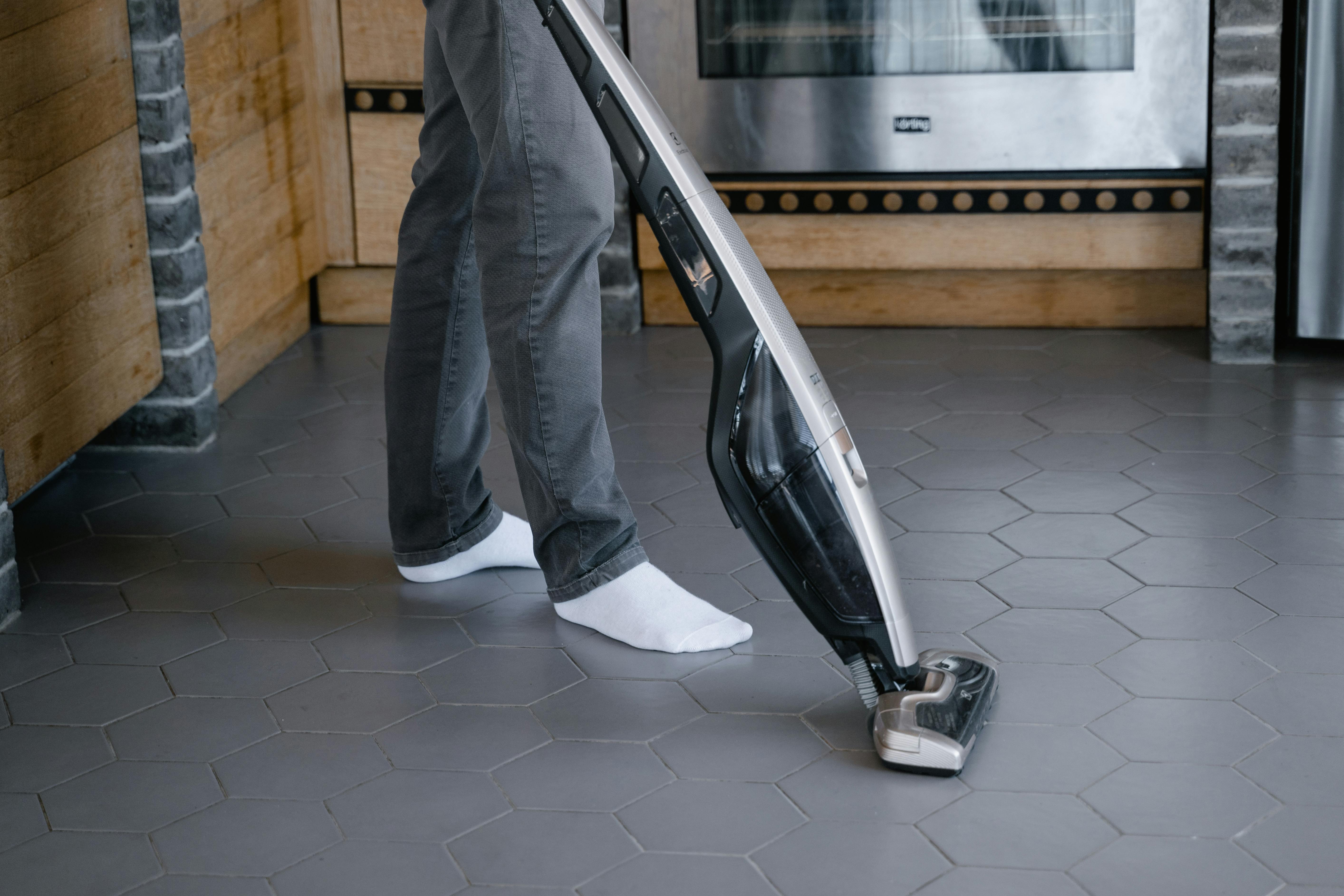
- Stick Vacuums: Lightweight and cordless, perfect for quick clean-ups.
- Robotic Vacuums: Autonomous and convenient, suitable for regular maintenance.
- Handheld Vacuums: Best for small tasks and reaching corners or car interiors.
Common Technical Terms Explained
Let's demystify some common vacuum-related terms that you might encounter:
Air Watts
This measures the efficiency of the vacuum's suction power. The higher the air watts, the more efficient the vacuum.
CFM (Cubic Feet per Minute)
This indicates the volume of air the vacuum can move per minute. A higher CFM usually means better dust pickup.
Amps
This measures the electrical current used by the vacuum's motor. More amps can translate to more power, but it’s not the sole indicator of a vacuum's performance.
Brush Roll
Also known as the beater bar, this rotating brush helps agitate carpet fibers to loosen dirt for easier pickup.
Maintaining Your Vacuum Cleaner
Regular maintenance is key to prolonging the life of your vacuum. Here are some simple tips:
- Change Filters Regularly: Clogged filters reduce efficiency. Check and replace them as recommended by the manufacturer.
- Empty Dust Bags/Canisters: A full dust bag or canister reduces suction power. Empty them regularly.
- Inspect the Brush Roll: Remove hair and debris to keep it rotating freely.
- Check for Blockages: Ensure hoses and attachments are clear of obstructions.
Choosing the Right Vacuum Service in Thousand Oaks
For homeowners in Thousand Oaks, selecting a reliable vacuum service provider is crucial for maintaining your vacuum's performance. J & S Vacuum Care Maintenance offers:
- Expert Repairs: Our technicians are trained to handle all types of vacuum issues.
- Comprehensive Maintenance: Regular check-ups to extend your vacuum's lifespan.
- Personalized Advice: Guidance on choosing the right products and accessories for your home.
Conclusion
Understanding the basics of vacuum technology doesn't have to be daunting. By familiarizing yourself with how vacuums work and maintaining them properly, you can ensure a cleaner and healthier home. If you're in the Thousand Oaks area, J & S Vacuum Care Maintenance is here to assist with all your vacuum needs, offering expert service and valuable advice. Contact us today to learn more!